‘The Man Himself’ by Colin Watts (Reflex Fiction)
Writers are in the business of building tunnels. Ours aren’t real real tunnels, of course, but then neither were those built by the Mole of Mason Street, Joseph Williamson, the central figure in Colin Watts’ deft work of flash fiction, ‘The Man Himself’.
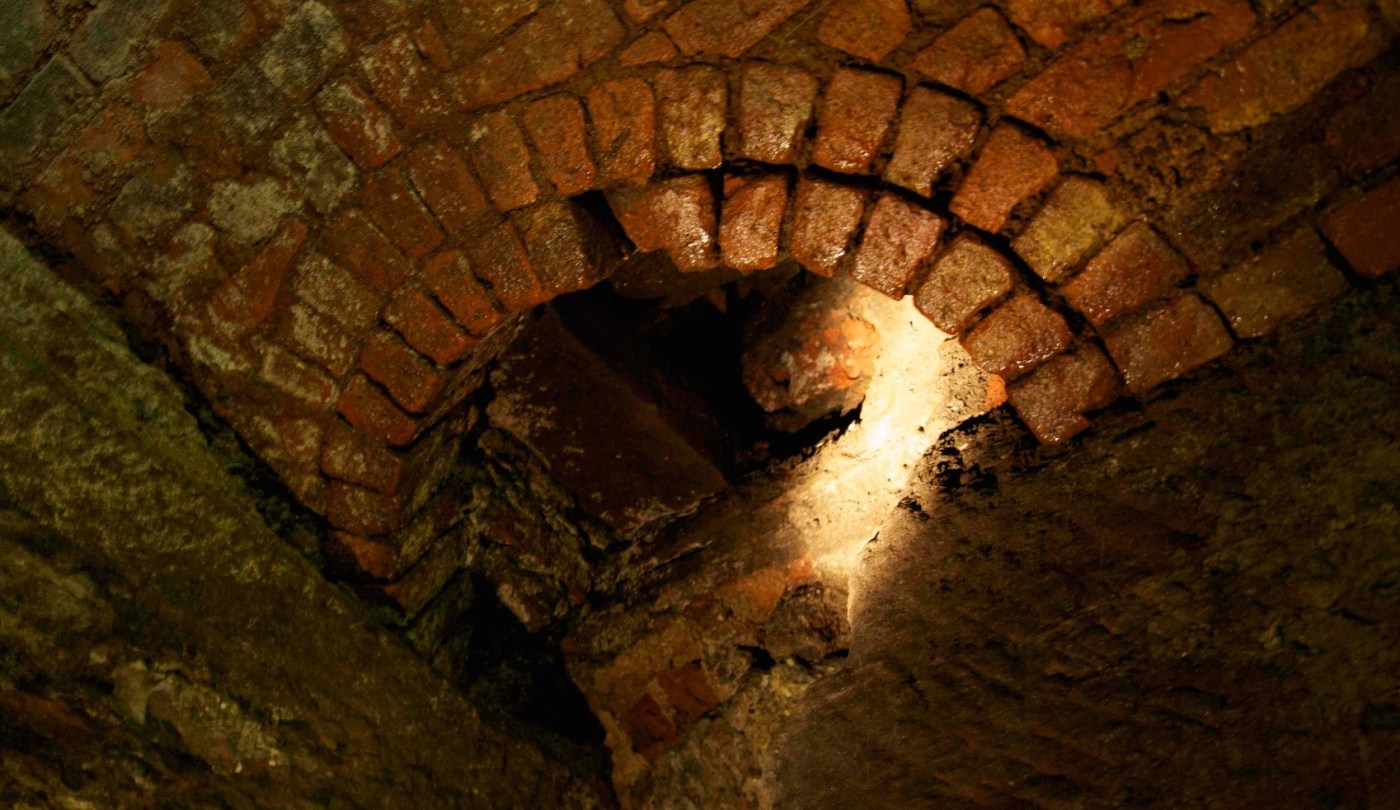
Williamson was an oddball businessman. His tunnels were built in Liverpool in the early 1800s. Maze-like and other-worldly, they weren’t designed to function like ‘real’ tunnels at all. Williamson created them, it seems, for a higher purpose: to employ and ennoble the poor.
In Watts’ story, the narrator, his hair freshly cut, conjures up a conversation with Williamson in a pub. Despite being dead, the Mole is more alive than his interlocutor, thanks to the richness of Watts’ description.
Large as life. Weskit and plus fours. Stove-pipe hat. Walking cane. Churchwarden pipe, packed with his own firm’s best shag. Sipping a pint of stout.
Possessed only of ‘a trendy sort of wind-swept look’, the narrator emerges as a kind of present-day pauper, a man in need of a tunnel to build.
Not a real real tunnel that runs as ‘straight as a die’ but one that fails to function in the usual way. A tunnel with a higher purpose.
‘Can you bend it like the man himself?’ Williamson asks before he departs.
Can we?
Colin Watts can. ‘The Man Himself’ is a tunnel worthy of Williamson.
(Image by Paul Dobraszczyk)
 Flash Wounds
Leave a comment